The Child Who Won't Leave the Steps: What Sensory Swimming Actually Teaches Us
A guest post for SplashAbout, by Tami Nixon, founder of Makai Swim School
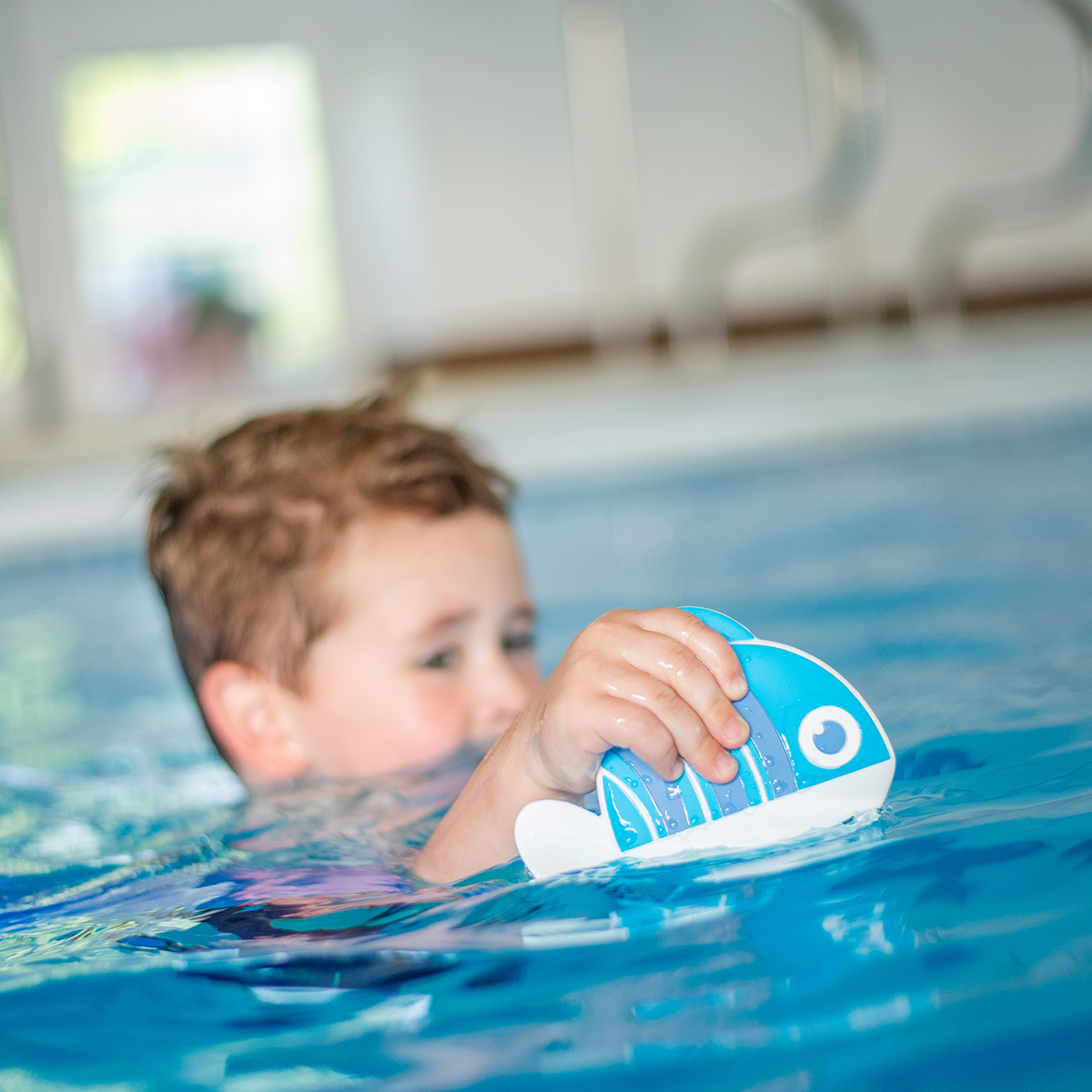
Every swim school has one. The child sitting on the top step, both hands gripping the rail, watching the rest of the class with an expression that isn't fear exactly and isn't refusal either. I've spent more than fifty years teaching children to swim, and the most meaningful transformations I've watched are never a perfect stroke. It's the child who initially wouldn't leave the steps eventually moving independently through the water. That's what sensory swimming is built around: teaching a child to swim in a way that starts with how they experience the water, not with a fixed lesson plan.
Estimated reading time: 6 minutes
It Isn't a Different Method. It's a Different Question.
Sensory swimming isn't a separate curriculum bolted onto ordinary lessons. It's the same swimming. The instructor just asks a second question alongside the usual one. The usual question is "what skill comes next?" The second one is "how is this particular child experiencing the water right now?" Does the splashing feel like play or like an assault on their ears? Does losing contact with the floor feel like freedom or like falling? Two children might be the same age and wear the same size armbands, and still need entirely different lessons.
Swimming for autism and ADHD, sensory processing differences, developmental delays or anxiety tends to get the most attention, and rightly so. Those children do benefit enormously from an instructor who asks that second question. But I'd go further: every child does better with someone who's paying attention to how they take in the world, whether or not they have a diagnosis.
Why the Same Pool Can Calm a Child Down and Set Another One Off
Water is a powerful environment for the nervous system, and it doesn't behave the same way twice. It presses against the whole body at once and pushes back a little with every move. Buoyancy takes some of the weight off gravity too, so the child doesn't have to do anything for it. For a lot of children, that feels calming. The wobbly, scattered energy of dry land settles into something steadier almost as soon as they're in.
I never assume that's automatic, though. For another child, the exact same water is the trigger. The temperature, the splashing, the noise, the wetness or the sudden loss of contact with the floor: any of these can tip a child from regulated into overwhelmed. It can happen to a child who was perfectly calm just moments earlier. The pool isn't calming or overwhelming on its own. It's whichever one it becomes for the child standing in it. That's why I build a lesson around the individual child, not a generic idea of what water does to children.

The Signs I'm Reading Before I've Even Asked Them to Get In
Long before a child puts a toe in the water, they're telling you something. It doesn't mean they're being difficult. Here are the signs a child needs sensory swimming, the ones I watch for before we've even got in:
- Covering their ears, or getting distressed by splashing and noise
- Resisting a wet face or head well past ordinary first lesson nerves
- Appearing unusually fearful of movement or of losing contact with the floor
- Doing beautifully one on one, then coming undone in a busy group lesson
- Needing far more time than their classmates to process what's being asked of them
However, none of this is unusual on its own for a young swimmer finding their feet. What matters is the pattern repeating, lesson after lesson. That's the point where "this child needs a minute" becomes "this child needs a different kind of lesson". And it's worth saying so to whoever's teaching them.
What Actually Changes in a Sensory Swimming Lesson
Here's the part that surprises parents most. It usually isn't expensive equipment or a wildly different curriculum. It's smaller, quieter adjustments, stacked on top of each other:
- Fewer children in the group
- The same instructor every week, not whoever's on the rota
- Visual demonstration instead of a running commentary
- Slower transitions between each part of the lesson
- A spot at the poolside where a child can step back and reset, without it counting as giving up
I also measure success differently. This is where a lot of caring adults trip themselves up: they compare a lesson built around sensory needs to a standard one. Floating for one extra second than last week is real progress. So is recovering from a wobble faster than last week, or walking away from the wall alone for the first time. None of it shows up on a standard skills chart, and all of it matters more than the chart does. I'd rather give a child twenty focused minutes that end well than forty five that end in a meltdown. A lesson that finishes badly teaches a child that swimming is the thing that goes wrong. That's a much harder lesson to undo later than any stroke technique.
Finding the Right Class and Getting Ready for the First Lesson
If you're choosing a class, look past whatever the timetable calls it and look at the instructor instead. Ask whether they'll actually adapt the lesson to your child, what they do when a child becomes overwhelmed and whether your child keeps the same teacher from week to week. A programme can call its classes sensory friendly swimming lessons on the website. What matters is whether the person getting in the water with your child knows how to watch and adjust in the moment.
A good sensory swimming instructor will tell you as much themselves. Once you've found that person, predictability does most of the remaining work before the first lesson even starts. Where you can, show your child photos of the pool and the instructor beforehand, and walk them through the sequence in order: getting there, changing, showering, meeting their teacher, swimming, then going home. For some children, a simple visual schedule turns an unknown afternoon into a known one.

What to Put Them In
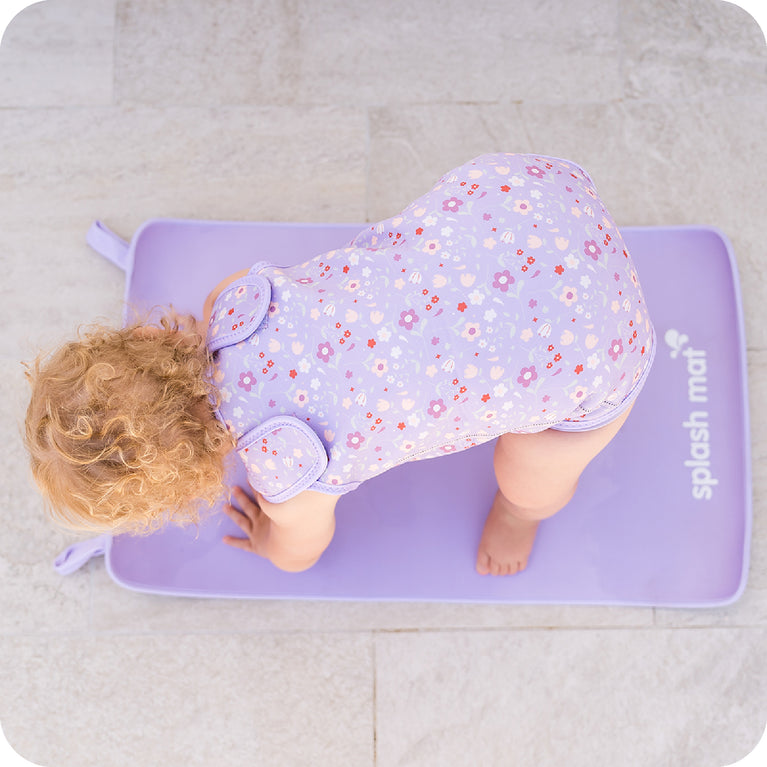
Because comfort is easy to overlook, it belongs on that preparation list too. Look for soft fabric, minimal seams and a fit that sits securely without digging in, the basics of sensory friendly swimwear. Skip anything with scratchy tags, or fabric that turns heavy and dragging the moment it's wet. Coverage and fastenings should match what your child can actually tolerate, not what looks neatest in the changing room. A lovely swimsuit is no use if your child spends the whole lesson pulling at it instead of swimming.
When a Lesson Goes Wrong, and Why That's Not a Failure
Sometimes, despite all of it, a child gets overwhelmed anyway. The instinct in that moment is to push through, to finish the skill so the lesson "counts". I'd rather do the opposite. Reduce the demand, give the child time to settle and decide together with the parent whether we start again gently or end there on something that went well. I'd rather end with one thing that went right than push a distressed child through a skill just to say we completed it. The second version is how swimming turns into something a child dreads rather than something they come back to.
No, sensory swimming isn't a treatment for autism or ADHD, and I'm careful never to let a parent think it is. Swimming programmes may genuinely help with motor skills, calm and confidence in some children who process the world differently. The research behind that is promising, though it's still young and mixed from one study to the next. What I can say honestly, from decades of watching it happen, is that a swimming environment built with care gives a child real chances to move, settle and build confidence. It was never going to be a cure, and nobody should tell you otherwise.


Back to the Steps
The child on the steps almost always gets in eventually, and it's rarely persuasion that does it. It's trust. I build it in small enough pieces that the child stops bracing for the next thing to go wrong. Once a child believes I'll do exactly what I said, whether that's "one time under the water" or a promise that we stop the moment they ask, they generally let me ask far more of them than they'd otherwise allow. The student is usually the one I'm learning from. Watch what a child avoids, what they seek out and how they tell you something's wrong. They'll show you how to teach them.
Feeling secure starts with small things too, including what a child is wearing in the water. Splash About builds the Happy Nappy™ around that same "sit snugly at the waist and thighs" fit, with nothing digging in. It's exactly the kind of detail a sensory sensitive swimmer notices, even if they can't tell you why. If you're not sure whether your child would do better in a sensory aware class than a standard one, ask your local pool for a one off assessment lesson before committing to a full term. It's a low stakes way to find out, and it's exactly how I'd want a parent to start.
About Tami Nixon
Tami Nixon is the founder and owner of Makai Swim School and has spent more than 50 years teaching children. Her background combines learn-to-swim instruction, early childhood education, Montessori methodology, movement education, instructor development, curriculum design, and product innovation. Her teaching philosophy centers on observation, trust, developmental readiness, individualized instruction, and helping each child build confidence and water safety skills at an appropriate pace.