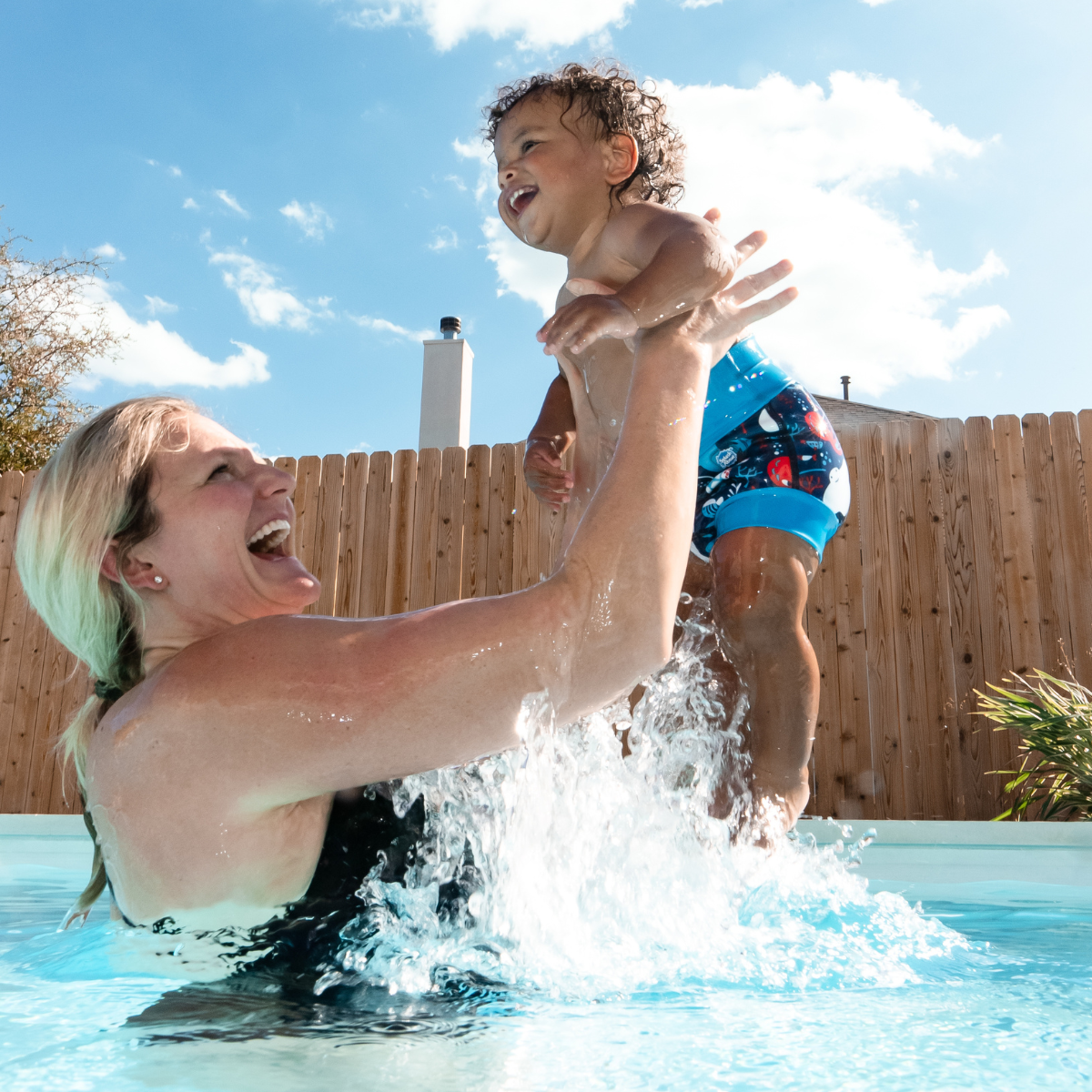

September arrives with its familiar rhythm of school preparation, but for families with young swimmers, the back-to-school checklist extends far beyond pencil cases and uniforms. As the UK's leading authority in baby swimming products, trusted by 90% of swim schools nationwide, we understand that proper preparation can transform your child's aquatic education from a source of stress into a journey of confident discovery.
The transition back to structured swimming lessons after summer holidays presents unique challenges. Children may have outgrown last term's equipment, their swimming abilities may have developed over the break, and new safety requirements might be in place. Getting the essentials right from day one sets the foundation for a successful academic year of swimming progress.
This comprehensive guide draws on nearly two decades of experience supporting families through their swimming journeys, combining insights from swim instructors, safety experts, and thousands of parent testimonials to deliver the definitive resource for back-to-swimming-school preparation in the UK.
Why Proper Swim School Preparation Matters More Than You Think
The difference between a child who thrives in swimming lessons and one who struggles often comes down to preparation. When children feel comfortable and confident with their equipment, they can focus entirely on learning new skills rather than battling ill-fitting gear or worrying about safety concerns.
Research from the Swimming Teachers Association shows that children properly equipped for lessons demonstrate 40% faster skill acquisition compared to those using inappropriate or poorly fitting equipment. This isn't just about performance; it's about fostering a lifelong love of swimming that extends far beyond the pool.
Swim schools across the UK report that the most common reason for lesson disruption stems from equipment failures. A poorly fitting swim nappy can derail an entire class, whilst inappropriate flotation aids can hinder skill development. Getting the essentials right eliminates these disruptions, allowing instructors to focus on teaching rather than troubleshooting equipment issues.
The psychological impact of proper preparation cannot be overstated. Children who feel secure and comfortable in their swim gear display greater willingness to attempt new skills, show increased lesson engagement, and develop water confidence more rapidly. This confidence becomes the cornerstone of all future swimming success.
The Complete Back to Swim School Essentials Checklist

Foundation Layer: Swim Nappies and Containment
Every swimming journey begins with reliable containment, and for babies and toddlers, this means choosing the right swim nappy. The Happy Nappy™ remains the gold standard, recommended by instructors precisely because it eliminates the most common cause of lesson interruption.
Unlike disposable alternatives that often fail when most needed, the Happy Nappy™'s ergonomic design creates a secure seal that prevents accidents whilst allowing natural movement. The super-soft 1mm neoprene construction ensures comfort throughout lessons, avoiding the red marks and chafing that can make children reluctant to participate.
For families whose swim schools require double nappy systems, the Happy Nappy Duo™ represents the ultimate solution. Its revolutionary silver-lining technology kills harmful pathogens whilst meeting strict double-layer requirements, eliminating the need for additional disposable nappies underneath.
The choice between standard and Duo variants depends on your specific swim school requirements, but both offer the reliability that has made them essential equipment in swimming programmes nationwide. Consider purchasing multiple units to ensure you always have a clean, dry option ready for lessons.

Thermal Protection: Keeping Young Swimmers Comfortable
Temperature regulation becomes crucial as lessons extend beyond brief splashes to structured learning sessions. Young children lose body heat rapidly in water, and even heated pools can feel chilly during longer lessons. This is where thermal protection becomes essential rather than optional.
The Baby Wrap offers targeted core protection whilst maintaining complete freedom of movement. Its 2mm neoprene construction focuses warmth where it matters most, allowing arms and legs to move naturally for skill development. This makes it ideal for babies who are learning fundamental water movements.
For comprehensive coverage, the Warm In One provides full-body thermal protection through its fleece-lined design. Rather than neoprene's skin-tight approach, this loose-fitting suit creates insulating air pockets that trap warmth effectively. It's particularly beneficial for very young swimmers or those attending lessons in cooler pools.
The Happy Nappy™ Wetsuit combines thermal protection with containment in one seamless solution. This ingenious design incorporates full Happy Nappy™ technology into a neoprene wetsuit, providing torso warmth whilst eliminating the need for separate swim nappy purchases.

Buoyancy and Safety Equipment
As children progress through swimming stages, appropriate flotation aids become crucial for safe skill development. However, the emphasis must be on 'appropriate'; poorly chosen floatation aids can hinder progress by creating dependency or preventing proper technique development.
The Float Jacket represents the evolution of swimming aid design. Its adjustable buoyancy system grows with your child, providing exactly the right amount of support for each stage of development. Unlike inflatable armbands that create unnatural arm positions, the Float Jacket maintains proper body alignment whilst building confidence.
For children ready for more advanced training, the Floatsuit offers precise weight distribution. Its unique eight-section design allows for granular adjustment, enabling instructors to gradually reduce support as skills develop. This progressive approach ensures children never become overly dependent on flotation.
The key principle underlying all effective flotation aids is graduated independence. Equipment should support learning whilst encouraging natural movement patterns, never creating artificial dependencies that must later be overcome.

Essential Accessories and Support Items
Beyond the primary gear, several accessories can significantly enhance the swimming lesson experience. Changing mats transform chaotic poolside changes into organised routines, providing clean, comfortable surfaces that protect both child and belongings.
Sensory toys from our Snippets range serve dual purposes in swimming education. They provide comfort and distraction for anxious swimmers whilst encouraging natural reaching and grasping movements that translate into swimming strokes. The carefully designed textures and colours engage young minds, making lessons feel more like play than instruction.
Pool bags and organisational accessories become essential as equipment lists grow. Choose bags with drainage capabilities to prevent mould and mildew, with separate compartments for wet and dry items. Good organisation reduces pre-lesson stress and ensures nothing is forgotten in the changing room.
Age-Specific Equipment Recommendations
Babies (6-18 months)
The youngest swimmers require the most consideration for safety and comfort. At this stage, the primary goals are water familiarisation and comfort, not skill development. Equipment should prioritise security whilst allowing natural exploration.
Temperature regulation takes priority, as babies lose heat rapidly and can become distressed quickly when cold. The Happy Nappy™ provides essential containment, whilst thermal protection through the Baby Wrap or Warm In One™ ensures comfortable lesson duration. Avoid any flotation aids at this stage unless specifically recommended by qualified instructors.
Sensory elements become important for engagement. Soft, textured toys help babies associate water with positive experiences, building the foundation for future learning. The key is a gentle introduction rather than overwhelming stimulation.
Toddlers (18 months - 3 years)
This group represents the sweet spot for swimming equipment utilisation. Toddlers are ready for more structured learning whilst still requiring significant safety support. Equipment choices directly impact their learning trajectory.
The Happy Nappy™ remains essential, but consider upgrading to the Happy Nappy Duo™ if your swim school requires double protection. Thermal protection becomes optional but beneficial for longer lessons or cooler pools. The Happy Nappy™ Wetsuit offers an excellent compromise, combining containment with warmth.
Flotation aids enter the picture for many toddlers, but choose carefully. The Float Jacket's adjustable design prevents over-reliance whilst building genuine water confidence. Avoid fixed flotation aids that don't adapt to developing skills.
Pre-school Children (3-5 years)
Pre-schoolers often show dramatic swimming development, requiring equipment that adapts to rapidly changing abilities. This age group benefits from equipment that challenges them appropriately whilst maintaining safety.
Containment may still be necessary depending on toilet training progress. The Splash Jammer Duo™ provides advanced protection whilst meeting evolving swim school requirements. Some children may graduate to regular swimwear, but keep backup options available.
Flotation requirements become highly individual. Some pre-schoolers benefit from continued Float Jacket support, whilst others may progress to minimal or no flotation. Work closely with instructors to determine appropriate support levels.
Navigating Safety Standards and Swim School Requirements
UK swim schools operate under stringent safety guidelines that directly impact equipment requirements. Understanding these standards ensures compliance whilst optimising your child's learning experience. The key lies in recognising that these requirements exist to protect all swimmers, not merely to complicate equipment choices.
Double nappy systems have become standard across many facilities following guidance from organisations like Swim England. These requirements stem from research showing that single-layer containment, whilst effective, may not provide adequate protection in all circumstances. The Happy Nappy Duo™ addresses these requirements elegantly, eliminating the need for disposable under-layers whilst providing superior protection.
Pool temperature regulations influence thermal protection needs. While public pools maintain minimum temperatures, these standards are designed for adult comfort, not young children. Facilities specialising in baby swimming often maintain higher temperatures, but many mainstream venues operate at the regulatory minimum. Understanding your specific venue's conditions helps inform thermal protection choices.
Safety equipment standards continue evolving as our understanding of child development in aquatic environments advances. CE marking indicates European safety compliance, but look beyond basic certification to equipment designed specifically for swimming education rather than general play. The distinction matters significantly for both safety and learning outcomes.
Instructor qualifications also influence equipment recommendations. Facilities employing Swim Teachers Association-qualified instructors typically maintain higher equipment standards and provide more specific guidance. These professionals understand how equipment choices impact learning progression and can offer personalised recommendations.
Mastering Fit and Sizing for Optimal Performance
Proper equipment fit represents perhaps the most critical factor in swimming lesson success, yet it's frequently overlooked until problems arise. Unlike clothing that allows some tolerance for imperfect fit, swimming equipment must fit precisely to function effectively and safely.
Swim nappy sizing requires particular attention to waist and thigh measurements. A properly fitted Happy Nappy™ should create a secure seal without leaving red marks or causing discomfort. The test is simple: you should be able to insert one finger comfortably around the waist and leg openings when worn correctly. Too loose risks accidents; too tight causes discomfort and chafing.
Wetsuit fitting follows different principles from everyday clothing. Neoprene should feel snug when first worn, as it will relax slightly in water. However, restriction of movement or difficulty breathing indicates incorrect sizing. Children should be able to raise their arms above their heads comfortably and breathe normally when properly fitted.
Flotation aids require the most precise fitting, as their effectiveness depends entirely on correct positioning and adjustment. The Float Jacket should sit level on the torso without riding up or shifting during movement. Adjustment points should be easily accessible to instructors for lesson-specific modifications.
Growth spurts can change equipment requirements rapidly, particularly during toddler years. Monitor fit regularly rather than assuming equipment will last the entire term. Signs of outgrown equipment include restricted movement, difficulty putting on or removing items, or visible discomfort during use.
Seasonal considerations affect sizing choices. Children may require slightly larger sizes for winter lessons when they're wearing thermal base layers, whilst summer lessons might accommodate closer fits. Plan accordingly when purchasing equipment at the start of academic years.
Equipment Care and Maintenance for Longevity
Proper care extends equipment life significantly whilst maintaining performance standards essential for safety and effectiveness. Swimming equipment faces harsh conditions, including chlorinated water, salt, UV exposure, and frequent washing, making maintenance crucial for value and function.
Immediate post-lesson care makes the biggest difference in equipment longevity. Rinse all items thoroughly in fresh, cool water immediately after use to remove chlorine, salt, and other chemicals that can degrade materials over time. Pay particular attention to areas where chemicals might collect, such as seams and adjustment points.
Drying techniques significantly impact equipment condition. Never wring or twist neoprene items, as this can damage the internal structure. Instead, gently squeeze out excess water and hang items to dry away from direct sunlight and heat sources. UV radiation and high temperatures can cause neoprene to become brittle and lose elasticity.
Storage conditions prevent damage between uses. Ensure equipment is completely dry before storage to prevent mould and mildew. Avoid folding neoprene items if possible; hanging or laying flat maintains shape better. Keep items away from sharp objects that could cause punctures or tears.
Washing requirements vary by product and usage. Most items can be hand-washed in cool water with mild, non-biological detergent. Machine washing is acceptable for some products, but should be limited to gentle cycles with cold water. Never use bleach, fabric softeners, or harsh detergents, as these can damage materials and compromise safety.
Regular inspection identifies potential issues before they become safety concerns. Check for loose seams, worn areas, or damage that could affect performance. Replace items showing significant wear rather than risking equipment failure during lessons.
Investment Planning and Budget Considerations
Swimming equipment represents a significant investment for families, particularly when multiple children are involved. However, understanding the true cost-benefit analysis reveals that quality equipment often provides better value than budget alternatives, especially when considering safety, performance, and longevity factors.
Initial investment in complete equipment sets can seem substantial, but breaking down costs per lesson reveals the true economics. A Happy Nappy™ costing £12.99 that lasts two terms protects approximately 24 lessons, equating to just 54p per lesson for complete accident prevention. Compare this to the potential costs of lesson disruption or pool closure caused by equipment failure.
Growth considerations affect investment planning significantly. Children outgrow equipment at different rates, with rapid growth spurts common between 12 and 36 months. Plan purchases around growth patterns rather than calendar years. Buying slightly larger sizes might seem logical, but a poor fit compromises both safety and learning effectiveness.
Multi-child families can achieve significant savings through strategic purchasing and hand-me-down planning. Quality equipment maintains its protective properties through multiple users, making it ideal for siblings. However, consider hygiene factors and ensure proper fit for each child rather than assuming one size fits all.
Seasonal purchasing can offer substantial savings. End-of-summer sales often feature significant discounts on swimming equipment as retailers clear inventory. However, ensure you're purchasing current season designs, as safety standards and swim school requirements evolve regularly.
Bundle deals and package offers frequently provide better value than individual purchases. Splash About offers various combination packages that reduce overall costs whilst ensuring compatibility between items. These packages also eliminate the complexity of selecting complementary products independently.

Common Mistakes That Compromise Safety and Learning
Experience working with thousands of families has revealed recurring mistakes that significantly impact swimming lesson success. Recognising and avoiding these pitfalls can save money, frustration, and most importantly, ensure your child's safety and progress.
Prioritising aesthetics over function represents the most common error in equipment selection. While attractive designs certainly matter for child acceptance, safety and performance must remain primary considerations. Equipment that looks appealing but fits poorly or lacks necessary safety features ultimately disappoints everyone involved.
Delaying equipment replacement until obvious problems arise often leads to emergency purchases and compromised lesson attendance. Regular assessment of equipment condition and fit prevents last-minute scrambles and ensures consistent lesson participation. Children benefit significantly from routine and familiarity; equipment changes mid-term can disrupt their comfort levels.
Over-reliance on flotation aids can hinder swimming development rather than supporting it. While proper flotation equipment provides essential safety support, excessive or inappropriate buoyancy prevents children from learning natural water balance and movement patterns. Work with qualified instructors to determine appropriate support levels and progression timelines.
Ignoring swim school-specific requirements causes unnecessary complications and potential lesson exclusion. Each facility operates under specific guidelines that may differ from general recommendations. Contact your swim school directly to understand their exact requirements rather than making assumptions based on general advice.
Size guessing rather than measuring leads to poor fit and compromised performance. Children's proportions vary significantly even within standard age groups. Taking actual measurements and consulting size guides ensures a proper fit that maximises both safety and effectiveness.
Inadequate care and maintenance shortens equipment life dramatically and can compromise safety. Establishing proper post-lesson routines and storage practices protects your investment while ensuring equipment remains safe and effective throughout its intended lifespan.
Expert Insights: What Swim Instructors Want Parents to Know
Swimming instructors across the UK consistently emphasise several key factors that directly impact lesson effectiveness and child safety. Their frontline experience provides invaluable insights into what truly matters for successful swimming education.
Consistency in equipment creates confidence in children. Frequent changes in swimwear, flotation aids, or thermal protection can unsettle young swimmers and disrupt their learning progression. When children feel comfortable and familiar with their equipment, they can focus entirely on skill development rather than adjusting to new sensations or fits.
Quality equipment makes instructors' jobs significantly easier and safer. Reliable swim nappies prevent class disruptions, properly fitting flotation aids support appropriate skill development, and durable construction eliminates mid-lesson equipment failures. Instructors can focus on teaching rather than managing equipment issues.
Parent preparation directly affects lesson quality for all participants. Children arriving with appropriate, well-fitted equipment contribute to positive class dynamics, whilst those with inadequate or poorly maintained gear can disrupt entire sessions. The investment in proper equipment benefits not just your child but their classmates as well.
Communication between parents and instructors optimises equipment choices and lesson progression. Instructors possess specific knowledge about pool conditions, lesson requirements, and individual child development that can guide equipment decisions. Regular dialogue ensures equipment remains appropriate as skills develop.
Safety standards exist for protection, not inconvenience. Requirements for double nappy systems, specific flotation aids, or thermal protection stem from extensive research and real-world experience. Understanding and embracing these standards rather than viewing them as obstacles contributes to safer, more effective swimming education.
Seasonal Considerations for Year-Round Swimming
The UK's varied climate and seasonal pool availability create specific equipment needs that evolve throughout the academic year. Understanding these seasonal factors helps optimise equipment choices and ensures consistent lesson attendance regardless of conditions.
Autumn return to indoor facilities often requires adjustment after summer's outdoor swimming experiences. Indoor pools typically maintain higher chemical levels than natural water bodies, making equipment durability more important. Chlorine resistance becomes crucial for maintaining equipment condition throughout intensive lesson schedules.
Winter lessons in heated pools can create misleading temperature comfort. While pools may feel warm initially, extended lesson times can still lead to heat loss in young children. Thermal protection becomes more important during colder months, even in heated facilities. The Happy Nappy™ Wetsuit or Baby Wrap provides essential warmth without restricting movement.
Spring growth spurts frequently coincide with new term starts, making equipment assessment crucial. Children may have outgrown the previous term's equipment, requiring size adjustments or replacements. Plan for growth when purchasing equipment at the start of spring terms.
Summer transitions to outdoor pools or holiday swimming require equipment that performs across different environments. Equipment chosen for indoor lessons may not suit outdoor conditions with varying water temperatures, UV exposure, and different chemical treatments. Consider versatile options that adapt to multiple environments.
Holiday swimming opportunities throughout the year benefit from portable, versatile equipment that travels well. Families investing in quality swim nappies, thermal protection, and safety equipment can use these items for family holidays, private lessons, and various swimming activities beyond structured lessons.
Technology and Innovation in Swimming Equipment
The swimming equipment industry continues evolving rapidly, with innovations focused on safety, comfort, and learning effectiveness. Understanding current technology trends helps inform equipment choices whilst preparing for future developments.
Material science advances have revolutionised swim nappy design, with neoprene formulations offering improved comfort, durability, and performance. The Happy Nappy™'s super-soft 1mm neoprene represents current technology peaks, providing secure containment without compromising comfort or movement.
Antimicrobial treatments like the silver lining technology in the Happy Nappy Duo™ address growing concerns about waterborne pathogens. This active silver technology kills harmful bacteria and viruses before they can enter pool water, providing protection that goes beyond traditional containment.
Adjustable systems in flotation aids reflect a better understanding of child development needs. Products like the Float Jacket incorporate multiple adjustment points that allow precise buoyancy control as skills develop. This technology eliminates the need for multiple products as children progress.
Sustainable materials and manufacturing processes increasingly influence equipment choices. Parents concerned about environmental impact can choose products manufactured using recycled materials and sustainable processes without compromising safety or performance.
Smart integration remains on the horizon, with potential developments including temperature monitoring, water time tracking, and safety alert systems. While not yet mainstream, these technologies may influence future equipment choices.
Building Water Confidence Beyond Equipment
While proper equipment forms the foundation of safe, effective swimming education, building genuine water confidence requires a holistic approach that extends beyond gear selection. Understanding how equipment choices support broader confidence-building helps maximise your investment in swimming education.
Familiar equipment reduces anxiety and promotes exploration. When children feel secure and comfortable in their swim gear, they're more willing to attempt new skills and explore different water activities. This confidence becomes self-reinforcing, leading to accelerated skill development and greater enjoyment of swimming.
Quality equipment supports natural movement patterns that translate into proper swimming technique. Poorly designed or ill-fitting equipment can teach bad habits by forcing unnatural body positions or movements. Investment in quality gear supports proper technique development from the very beginning.
Reliable equipment builds trust in the swimming environment. Children who experience equipment failures or discomfort quickly associate these negative experiences with swimming generally. Choosing dependable equipment helps ensure positive associations that support lifelong swimming enjoyment.
Progressive equipment changes support skill development without creating dependency. As children's abilities develop, equipment should evolve to provide appropriate challenges whilst maintaining safety. This graduated approach builds genuine confidence rather than equipment reliance.
Preparing for Success: Your Action Plan
Successfully preparing for the new academic year of swimming lessons requires systematic planning and attention to detail. The following action plan ensures nothing is overlooked whilst maximising your investment in swimming education.

Six Weeks Before Term Starts: Contact your swim school to confirm current equipment requirements and any changes from previous terms. Requirements may evolve based on new safety guidelines or facility updates. Request specific product recommendations and supplier information.
Four Weeks Before: Assess current equipment condition and fit. Try on all items to identify sizing issues or wear problems. Create a replacement list prioritising essential items like swim nappies and safety equipment.
Two Weeks Before: Purchase replacement equipment, allowing time for returns or exchanges if sizing proves incorrect. Wash and prepare all equipment, ensuring everything is clean and ready for the first lesson.
One Week Before: Pack and organise equipment, creating lesson-day routines that minimise stress and forgotten items. Prepare backup equipment for emergencies.
First Lesson: Arrive early to allow equipment adjustments and address any unexpected issues. Communicate with instructors about equipment choices and seek feedback for future improvements.
The investment in proper swimming equipment represents much more than simple purchases; it's an investment in your child's safety, confidence, and lifelong relationship with water. Quality equipment from trusted manufacturers like Splash About provides the foundation for successful swimming education whilst delivering value through durability and proven performance.
As you prepare for the new academic year, remember that the right equipment choices today influence not just immediate lesson success but your child's entire aquatic journey. Choose wisely, maintain carefully, and watch as proper preparation transforms swimming lessons from a source of stress into a foundation for lifelong water confidence and enjoyment.
The back-to-school essentials for the new academic year extend far beyond simple shopping lists. They represent careful consideration of safety, development, and value that support your child's swimming education whilst providing peace of mind for the entire family. With proper preparation and quality equipment, every swimming lesson becomes an opportunity for growth, confidence, and joy in the water.
Frequently Asked Questions
What's the most important piece of equipment for new swimmers?
How do I know if my child needs thermal protection?
When should children graduate from flotation aids?
How often should I replace swimming equipment?
Can I use the same equipment for different types of swimming activities?
What should I do if my swim school changes equipment requirements?
How can I make swimming equipment last longer?
Is expensive equipment always better?

Lesley Beach
Splash About has been developing ground breaking swimming products for babies and children for over 20 years. With its invention of the first float jacket through to the award winning Happy Nappy range of products, Splash About is now a world class supplier to thousands of swim schools, leisure complexes and parents in over 45 countries.
Latest Blogs

Dear Splashy: My Partner Hates Swimming, How Can I Convince Them?
At what Age Can a Baby Start Swimming? Tips Backed by Experts